

- cross-posted to:
- technology@lemmy.world
- cross-posted to:
- technology@lemmy.world
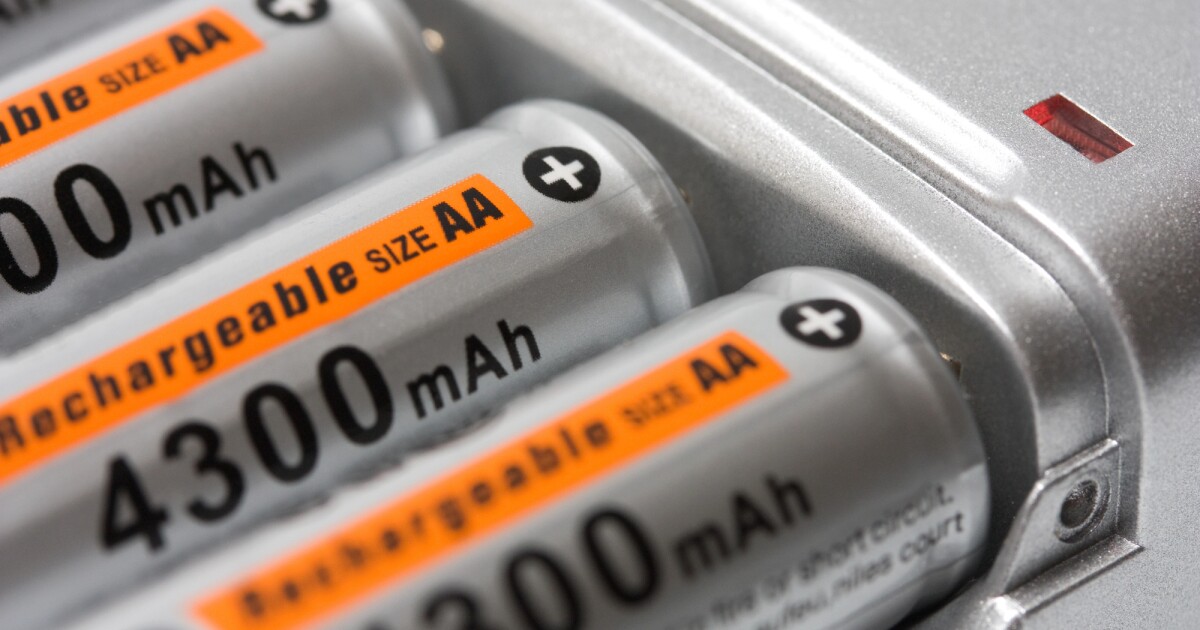
While lithium extraction technologies generally focus on ways to get the essential metal out of the ground, there’s another source to mine: existing batteries that no longer work. A new technique could now make that process economically viable.
Question is does that $12.70/kg figure include sourcing the spent batteries?
Great news, but would be curious to know if the figures are apples to apples, or if one of them excludes cost of the raw material.
If they’re hiding something and aren’t comparing apples to apples, it wouldn’t be a scientific comparison and they wouldn’t be scientists. Let us know what you find.
Note when the article made the comparison, it seemingly sourced the comparative figure independently, not the scientists. So the scientists may be in good faith describing ‘incremental cost to take presumed existing battery material and recover lithium from it’ and article trying it’s best but not thinking things through presents "number that would implicitly include processing, but also cost of acquiring the raw material as well’. So no one may be trying to ‘hide’ something, but still the comparison is somewhat flawed.
Just seeing how even if everything is being honestly presented, we may still be in a position where mined lithium is still cheaper than recycled even as all the figures suggest that shouldn’t be the case at face value.