- 11 Posts
- 33 Comments
Joined 3 months ago
Cake day: January 27th, 2026
You are not logged in. If you use a Fediverse account that is able to follow users, you can follow this user.

 15·2 days ago
The article actually gives 3 options:
The only ways to make the deletion stick are to disable Chrome’s AI features through chrome://flags or enterprise policy tooling that home users do not generally have, or to uninstall Chrome entirely
- It can probably be reverted at their whim at any time
- You probably don’t have access to it
- It is the most realistic option, just use another non chromium browser

 1·4 days ago
deleted by creator
 3·6 days ago
A forest doesn’t just magically pull in moisture from hundreds of kilometers away.
You might want to look into flying rivers, how fungi on those soils can control rains, and how overgrazing/overcutting expands the sahara desert
Why do our hospitals look so bleak? We could have greener hospitals like Khoo Teck Puat or Ng Teng Fong, both in Singapore
Khoo Teck Puat hospital as an example:
Designed to be ‘forest-like’, water features with aquatic species, and plants that attract birds and butterflies were introduced. Greenery extended from the central courtyard to upper levels of the buildings and down into the open-to-sky basement, creating the impression of architecture deeply enmeshed in a garden. At the upper levels, balconies with scented plants bring the experience to the patient’s bedside.
Total surface area of horizontal and vertical greenery is almost four times the size of the land that the hospital sits on. In addition, 18% of the hospital’s floor area account for blue-green spaces and 40% of all such spaces are publicly accessible
[…] Common areas such as the main lobby and public corridors were specially designed for optimal natural ventilation thereby reducing the need for mechanical ventilation and energy consumption. By orientating the subsidized ward tower to ‘capture’ the prevailing North and South East winds, an optimal wind speed is achieved which would provide adequate thermal comfort for the patients.
[…] It is also a serves as a tranquil communal node where the local community can attend public lectures, exhibitions or participate in educational programs organized by the hospital.²
The energy-efficient design reduces energy costs by 50% and provides 40% of the floor area with the potential for natural ventilation.³
Video format about it for those that prefer it:
https://inv.nadeko.net/watch?v=Jw1b_SviPyU&t=275s
https://www.youtube.com/watch?v=Jw1b_SviPyU&t=275sYou probably won’t be able to redesign/retrofit everything, but perhaps just a little bit more green instead of only concrete?

 2·7 days ago
Sounds cool, come and share with us some of your !foraging@slrpnk.net
 1·8 days ago
whatś HA? as in “HA magic”
 4·8 days ago
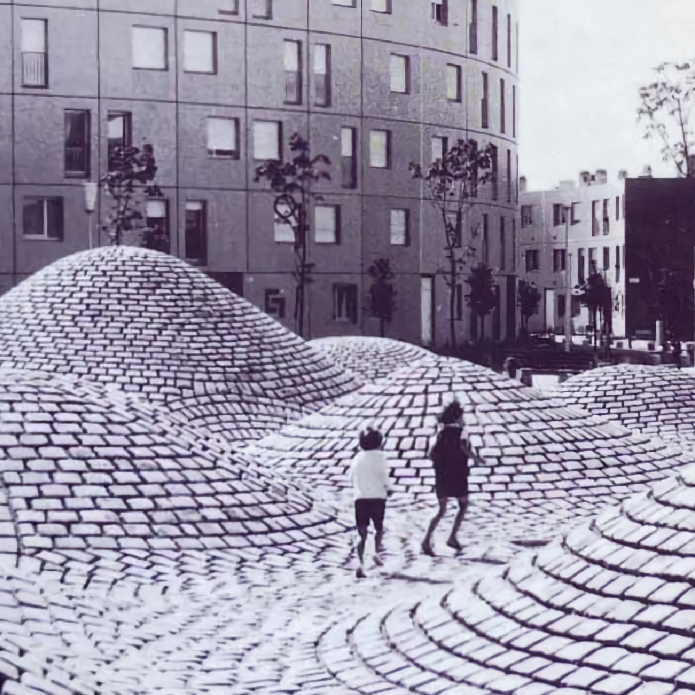
I’m probably biased in saying this, but I’m a fan of the red and green handbooks (handboeken Rood or Groen) from Amsterdam, but they are only available in Dutch, if you don’t mind using a translator to help you
It goes in depth and there are a lot of pictures and illustrations. It is based on the PDF alert! Puccini Method, which tries to make designs that are user friendly and accessible
You can find them here
A summary can also be seen here with the main principles
The two handbooks contain the technical specifications of the policy, including drawings, technical details and lists of materials.
PDF alert below!
- Red Handbook covers pavements, street lighting and street furniture.
- Groen Handboeken covers the correct planting of greenery in the city, including trees, perennials, grasses, shrubs and wadi gardens.
 4·10 days ago
You might want to look into syntropic farming/food forests/agroforestry
Jim East (not to be confused with Jim West) usually posts some cool stuff on this topic and resources like this one: https://amazonrestore.codeberg.page/food-forests/
@wolfyvegan@slrpnk.net do you have any other recommendations?
 1·15 days ago
You can’t say that and let us curious, which one in particular? I just started watching it and I got hooked. Looking forward to reading theories once I finish my binge watch
how it handles the load exceeding capacity
As in what happens if you plug too much stuff that it exceeds your solar production?
I’ll use mine as an example, but it might be different with different models and configurations:
Inverter can handle up to 10kw
If solar production is at 5kw, and home is demanding 7kw, in my case, I have it set up as to draw the remaining 2kw from the battery, if battery is depleted, it will draw 2kw from the utility companyIf home demands more than 10kw that the inverter can handle, it will trip the internal inverter protection or a circuit breaker leading to it
We already have hybrid inverters that does that automatically, you don’t even need a different circuit or special outlets. It can manage all the grid ties, off grid and battery parameters on the fly
Subscribe! That would be quite interesting to follow along in future updates, if you don’t mind sharing
Unfortunately they usually do it on farmland around here, when they could easily go the agrivoltaics route. They would only need to raise it a meter or two and let the sheep roam around doing the trimming for them
Depending on location, it would have been cheaper to have those posts raised/reinforced in the first place instead of buying and hauling all that gravel
This one actually grinds my gears and it is too popular around here:

But the other stuff is nasty. Total of petrochemicals in a tyre is above 60%. That fabric, carbon black, oils, elastometers, textiles, antioxidantes and additives are all based on petroleum too
That was a great watch. If anyone else has any other movie/series recommendations like Perfect Days (2023), let me know
 17·21 days ago
They are already doing that, they even have a playbook on how to try to protect them, but apparently, “Physical protection is a set of structural measures that do not guarantee the safety of protected objects. Solutions do not exclude blast load and shrapnel impact.”
Solution What It Is Rosneft’s Own Admitted Weakness Cable barriers around tanks Cable/net mesh (40×40 cm) wrapped around storage tanks on pipe stands “NOT resistant to UAV shrapnel”; only protects against multirotor drones Scaffolding cages Modular metal scaffolding erected 5m above tank roofs “Insufficient volume of scaffolding to protect the Company’s facilities”; “high cost” Shipping container walls 20-36m high walls from stacked 20/40-ft containers with cable infill at 40 cm spacing Not yet pilot-tested; requires thousands of containers per refinery “Tent” canopy over tank farms Overhead cable-mesh tent using containers as structural supports (21m central mast) “Difficulties during firefighting”; “high snow loads” Tower crane mast cages Repurposed crane sections forming 4-pillar cage around processing units, cables at 1m spacing Each unit requires individual engineering; relies on surface foundations or guy-wires Three-barrier column protection Layer 1: cable screens 1-1.5m out from platforms; Layer 2: nets (40×40 mm mesh); Layer 3: kevlar/aramid wrapping In case of detonation, destruction is inevitable Cable fencing for pump stations 6mm cables at 500mm spacing on outrigger brackets Only designed to destroy drone airframe — does nothing against the warhead Reinforced concrete panels Reinforced Concrete wall panels replacing sheet-metal wind barriers at pump stations Only covers pump stations — the narrowest, lowest-value target category
Did they implement similar measures for other industries, like oil and gas?







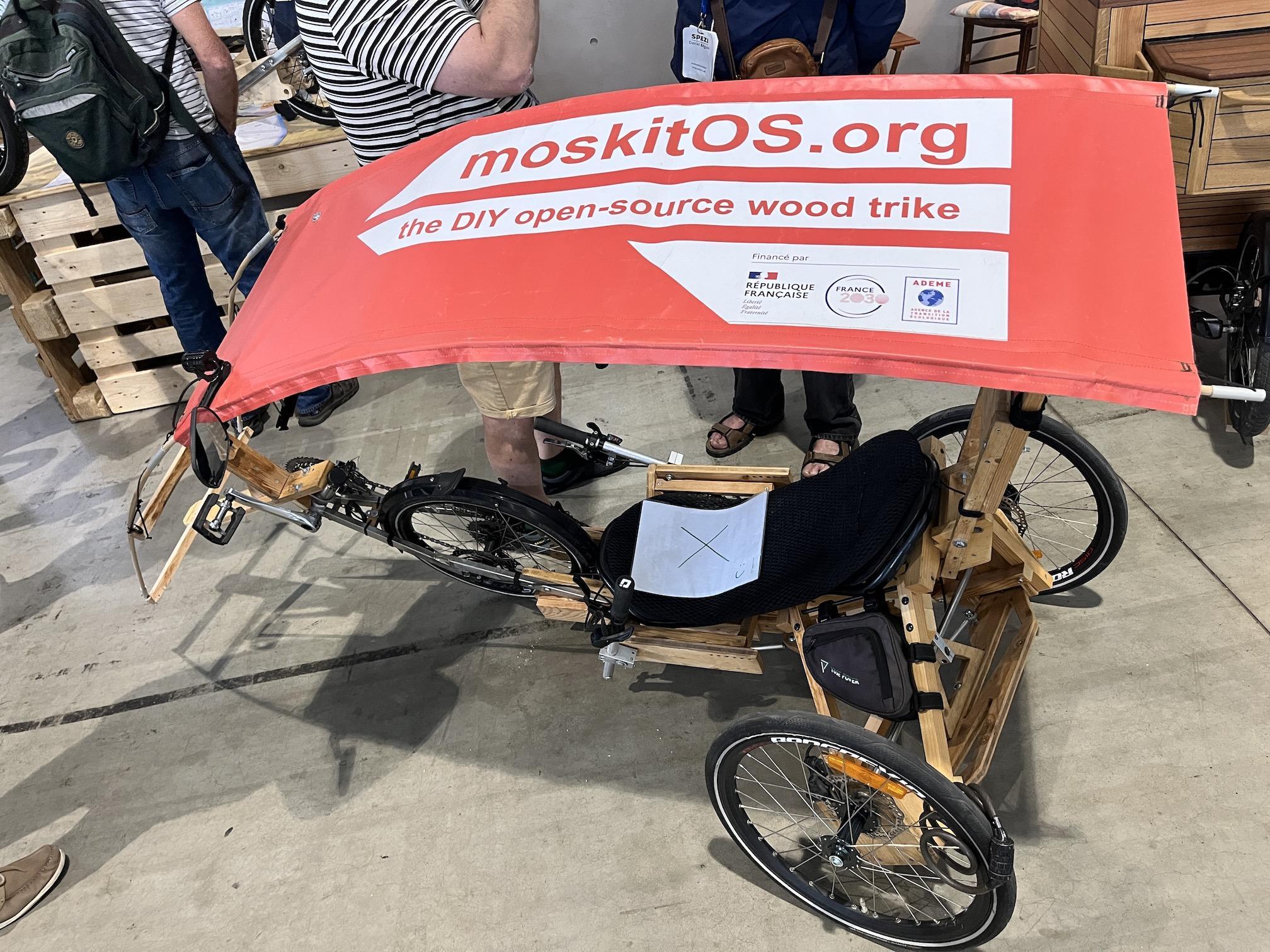


I only see them scattered everywhere. It might be a niche that still needs to be fulfilled
I know a bunch related to architecture or then and now for specific cities, but I have never seen one focused only on the transition you mentioned
I’m quite curious to know if there is any out there