Yes, but then it becomes weighted by how much financial stake you have in the company, rather than the worker’s contribution to their success (I’d argue that employees have just as much at stake as most investors, as working for a living is their primary means of earning income, and losing thay income due to a business failing can be just as ruinous). If an individual holds 51% of the public shares, the voting process is performative at best. That person will always have the power to change the board of directors who will then set policy that aligns with whatever their desires are.
Well, by my knowledge they sometimes vote and the amount of votes one has correlates to your share%. A CEO is appointed precisely to make decisions for them.
Assuming every employee has equal voting power I don’t see it being particularly effective. But it might, i guess.

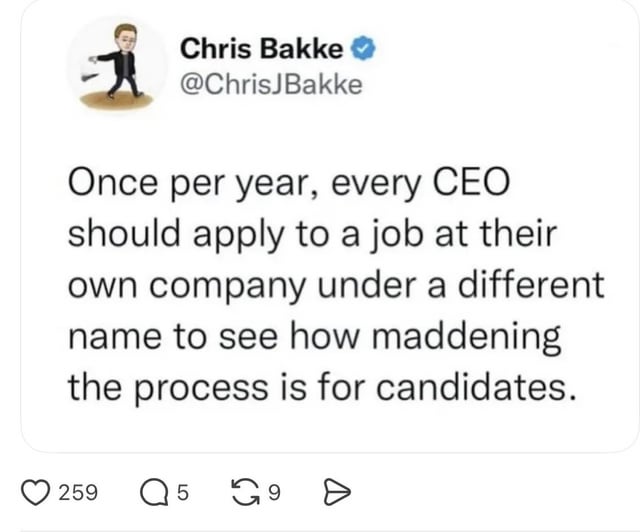
Isn’t that already how it happens when the shareholders are involved?
Yes, but then it becomes weighted by how much financial stake you have in the company, rather than the worker’s contribution to their success (I’d argue that employees have just as much at stake as most investors, as working for a living is their primary means of earning income, and losing thay income due to a business failing can be just as ruinous). If an individual holds 51% of the public shares, the voting process is performative at best. That person will always have the power to change the board of directors who will then set policy that aligns with whatever their desires are.
Well, by my knowledge they sometimes vote and the amount of votes one has correlates to your share%. A CEO is appointed precisely to make decisions for them.
Assuming every employee has equal voting power I don’t see it being particularly effective. But it might, i guess.
i guess for a company something like elections for the ceo might work