

9·
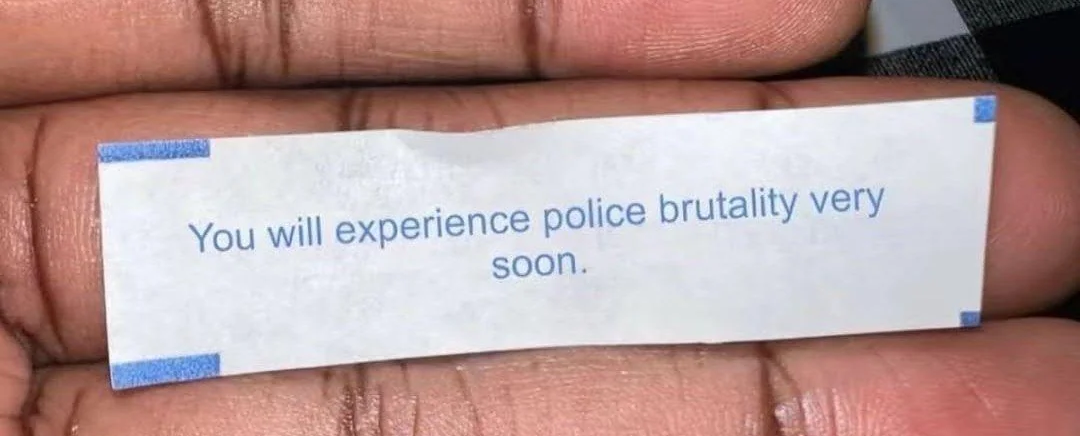
20 hours agobut it has to work, it was foretold in ai in a box prophecy
but it has to work, it was foretold in ai in a box prophecy
it’s not shutting down so far, and if anyone buys that part it will remain up
oh no no no that there will be revolutionary machine god made by them is basically their religious dogma
rats’ best thought out attempt at immanentizing eschaton
not done yet
Under this process, Disney’s bid would set a baseline offer while allowing competing bidders to submit higher bids, and the company expects the sale process to conclude by late November or early December 2026.
perhaps them, and maybe these are linked to identities of users
or maybe they genuinely ran out of vc money
okay but there’s no way lung cancer catches up to them before incoming ai winter will
i also like how they’re not even considering that “there is no meaningful improvement” might be an option
Character.AI files for bankruptcy, agrees to sell some assets for $20 million
At one point “valued” at 2.5B, so that sale is 99%+ discount, even charitably assuming 100M sale of it all it’s still 96% discount

World will survive without one small time youtuber
there was a thread there on rationalists microdosing meth for “cognitive improvement” reasons
some of that crowd already microdosed meth
Bet some bacteria would feed on it anyway if you give it enough time
so what i’m getting from this is the only kind of progress openai and friends are capable of is progressing from slop grenades to slop airstrikes, and so far it only works because they have good marketing, augmented by their own bot farms, and because money is all you need, and so far they haven’t ran out of money
never have to shower again
Some marketing claims should remain untested
people forget that there are areas in russia, not very far away from there, where plague is endemic in wild rodents

That’s why learning on mistakes is a thing
fuck man do they even make normal perverts anymore?

That’s still mostly engineering achievement, what you need is scale (if this approach of building these extra tall turbines works)
I think that advertising is much more harmful than commonly thought of



i mean that’s why we all are here, the problem is that they have thiel’s money and white house advisors
drexler is a hack and yud’s nanobots can’t grow, can’t divide (they’re made from stiff material), can’t self-repair (it’s one piece), and would turn out to be extremely expensive coal dust fire, and that’s before you look too closely, so i wouldn’t say that because iot devices at least aren’t forbidden by known laws of physics